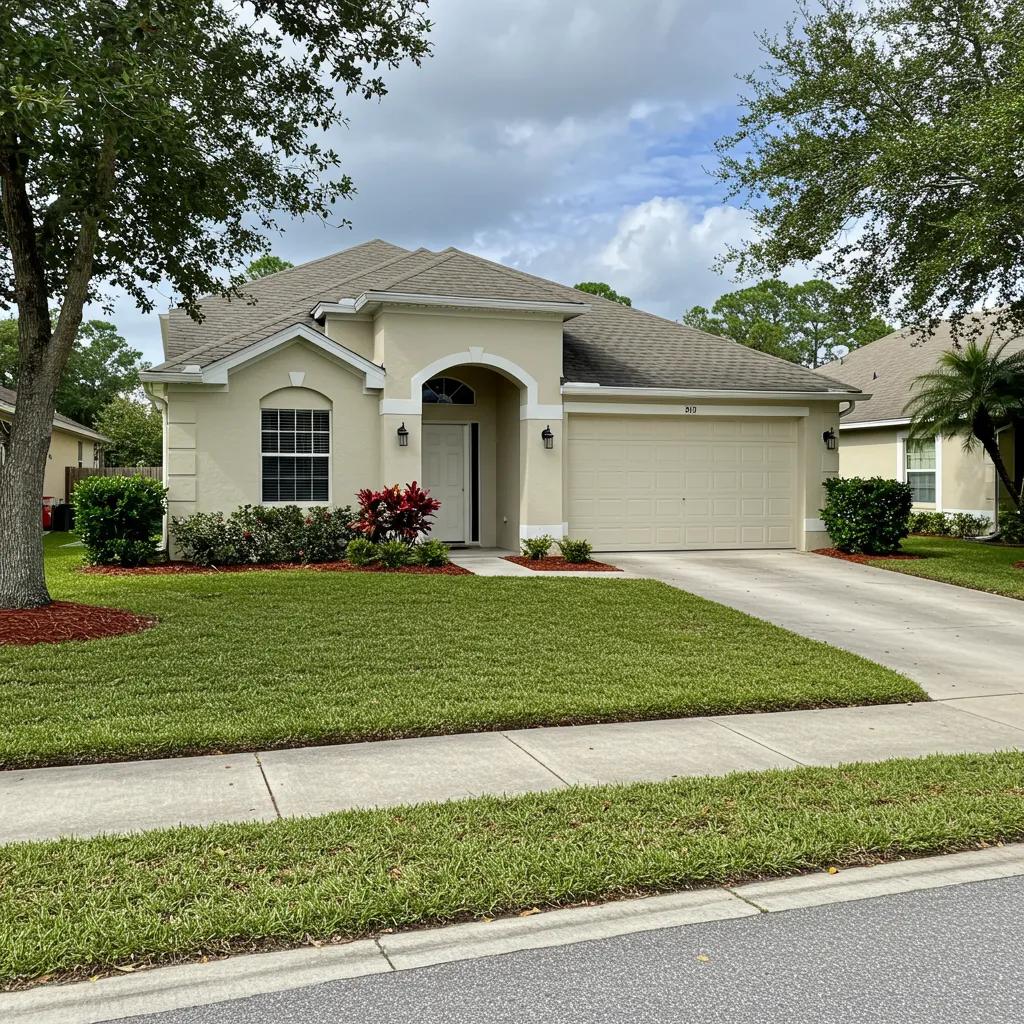
Discover the Benefits of Lakewood Ranch Home Watch Services
Lakewood Ranch Home Watch: Your Key to Peace of Mind and Property Protection

Lakewood Ranch Home Watch offers professional absentee property oversight, combining scheduled visits, thorough inspections, photo documentation, and swift issue escalation to safeguard homes for seasonal and absent owners. This service works by spotting early signs of trouble—like water intrusion, HVAC issues, pest entry, or storm damage—through regular visual checks. This allows for prompt intervention, preventing minor concerns from becoming costly repairs. The outcome is clear: homeowners gain significant peace of mind and reduced financial risk while away, thanks to documented oversight that speeds up response times and improves vendor coordination. This article delves into the primary advantages of Lakewood Ranch home watch services, how they identify common Florida risks, the importance of professional certification, and how documented visits aid insurance compliance. You'll find practical checklists for leaks, mold, pests, and storms, sample reporting structures that insurers value, and guidance specifically for Florida's snowbirds and seasonal residents. Throughout, we'll integrate local context for Lakewood Ranch, examine professional standards, and demonstrate how comprehensive Home Watch service delivers reliable weekly oversight and photo-based reporting.
What Are the Key Benefits of Lakewood Ranch Home Watch Services?
Lakewood Ranch home watch services provide distinct advantages through a consistent visit process: defined checklist inspections, photographic evidence, and coordinated escalation to vendors or authorities when issues arise. This system minimizes the time problems go unnoticed, enabling early detection of leaks, mold, pests, and security vulnerabilities, and transforming inspection findings into protective actions that preserve property value. The main benefits include peace of mind for absent homeowners, early problem detection that averts expensive repairs, enhanced security and risk mitigation, and clear, timestamped reporting for accountability and insurance support. The focus on systematic documentation and rapid local response creates a dependable safety net that surpasses informal checks and random site visits.
For homeowners seeking practical examples, a weekly schedule of visual checks can flag subtle indicators—minor water stains, condensation, or unexplained humidity—before structural damage takes hold. Regular visits also deter opportunistic intruders by maintaining a visible, documented presence at the property, and they streamline vendor dispatch when repairs are needed. After outlining these core benefits, the following sections will detail how home watch services deliver peace of mind, prevent damage, and bolster security measures in tangible ways.
Gulf Coast Home Watch exemplifies a weekly-visit program that delivers these benefits through its comprehensive Home Watch service, illustrating how scheduled professional checks, photo-based reports, and immediate emergency response work in tandem to provide absentee owners with reliable oversight.
How Does Home Watch Provide Peace of Mind for Seasonal and Absentee Homeowners?

Professional home watch offers peace of mind by replacing uncertainty with predictable verification: scheduled visits yield consistent status reports that confirm the property’s condition. Inspectors adhere to standardized checklists that validate systems and structure, while photo documentation and timestamps assure owners that observations are current and accurate. Immediate notifications for urgent issues empower homeowners to authorize vendor action remotely or approve temporary mitigation, significantly reducing anxiety during extended absences. When an incident is identified, documented evidence simplifies decision-making and lessens the emotional burden of managing a property from afar, allowing owners to feel confidently informed rather than guessing about their home’s state.
This steady flow of information is especially crucial for seasonal residents and snowbirds who may be away for months at a time, as it transforms an unknown risk profile into a managed set of observations and actions. The subsequent subsection will map out how these routine checks prevent issues from escalating into costly repairs.
In What Ways Does Regular Property Monitoring Prevent Costly Damage?
Regular property monitoring prevents costly damage by identifying early indicators of failure and initiating mitigation before secondary damage occurs. Inspectors look for subtle signs—minor stains beneath plumbing, elevated humidity near appliances, hairline cracks in caulking—that typically precede larger problems like rot, mold spread, or structural decay. When these signs emerge, home watch professionals coordinate immediate steps such as shutting off water, running fans or dehumidifiers, or contacting a licensed vendor to address the source, thereby halting damage progression. Photo timestamps and concise notes also preserve a clear timeline that vendors and insurers can use to assess cause and responsibility, improving the homeowner’s ability to manage repairs efficiently.
Understanding these preventative actions leads directly into the security advantages of professional monitoring and how a documented presence reduces the risk of theft or vandalism.
How Does Professional Home Watch Enhance Security and Risk Mitigation?
Professional home watch enhances security by providing a visible, documented presence that discourages trespassing while establishing clear reporting channels for suspicious activity. Trained inspectors log unusual signs—new footprints, tampered locks, or unexplained noises—and follow escalation workflows that notify homeowners and, when necessary, local authorities or trusted vendors. This structured response minimizes the window of vulnerability and increases the likelihood of swift intervention. Furthermore, a record of regular, professional visits demonstrates proactive risk management to insurers and lending institutions, which can be vital when assessing coverage for vacant properties.
These security workflows connect directly to insurance compliance and claim prevention, which the next section addresses by explaining insurer expectations and the role of photo-based documentation.
| Benefit Area | Mechanism | Result |
|---|---|---|
| Peace of Mind | Scheduled verification visits and reports | Reduced homeowner anxiety and clear status updates |
| Early Detection | Weekly visual checks and photo documentation | Prevents escalation of leaks, mold, and HVAC failures |
| Security | Visible presence and incident reporting | Deters theft and enables rapid escalation |
| Documentation | Timestamped photos and vendor coordination | Strengthens insurance claims and accountability |
How Does Lakewood Ranch Home Watch Protect Your Property from Common Risks?
Lakewood Ranch homes face recurring risks—water leaks, mold, pests, and storm damage—that are best managed through targeted visual checks and proactive measures performed during home watch visits. The home watch mechanism identifies early signs of each risk and implements preventive steps or coordinates vendor interventions to stop small issues from escalating into major repairs. For instance, tests of HVAC function prevent moisture buildup, gutter and roof checks reduce storm vulnerability, and sealing inspections limit pest entry points. Each visit thus serves as both a diagnostic and a preventive treatment for common Florida-specific threats.
Below are practical mappings of common risks to the signs inspectors look for and the standard actions they take to mitigate probability and impact.
What Early Signs of Water Leaks and Mold Can Home Watch Detect?
Home watch professionals detect water leaks and mold by scanning for visual and olfactory clues: water stains on ceilings or walls, warped or buckled flooring, peeling paint, and persistent musty odors near closets or HVAC systems. Inspectors also examine plumbing fixtures, under-sink cabinetry, water heater areas, and visible piping for drips and fresh staining. When signs appear, they document them with photos and timestamps, recommend immediate mitigation—such as shutting off affected supply lines or running dehumidifiers—and coordinate licensed plumbers or mold remediation specialists if needed. These steps both halt ongoing damage and create documentation useful for insurance claims, shortening recovery time.
- Introduction: This checklist outlines common visual and sensory cues that home watch teams look for during visits to detect water and mold issues.
- Checklist:Visible stains or discoloration on walls and ceilings indicating active leaks.Warped flooring, soft subfloor spots, or peeling paint suggesting prolonged moisture exposure.Musty smells or HVAC condensation issues that can signal mold growth.
- Summary: Regularly applying this checklist during weekly visits provides early warnings that preserve structural integrity and simplifies remediation efforts.
How Does Home Watch Help Prevent Pest Infestations and Storm Damage?
Home watch visits help prevent pest infestations and storm damage by inspecting typical entry points and performing seasonal maintenance checks that reduce vulnerabilities. Inspectors examine doors, window seals, screens, attics, crawlspaces, and exterior foundations for gaps or damage that pests exploit, and they flag or arrange for sealing and debris removal actions. For storm resilience, teams evaluate roof flashings, gutters, shutter readiness, and exterior drainage, recommending pre-storm securing tasks and post-storm assessments. Post-event documentation and photos expedite vendor triage and insurance intake, ensuring prioritized recovery and limiting secondary problems like mold or structural weakening.
These preventive routines tie directly into structured storm preparation and recovery recommendations that follow, emphasizing timing and documentation for insurance support.
Why Is Storm Preparation and Recovery Important for Florida Homes?

Storm preparation and recovery actions reduce the intensity and duration of damage by ensuring properties are fortified before a weather event and assessed immediately afterward. Preparation includes securing loose items, checking roof and gutter condition, verifying window and door seals, and documenting pre-storm conditions with photos. After a storm, rapid inspections identify breaches, water intrusion, and debris-related damage so temporary mitigations—such as tarping or water extraction—can be performed quickly. Timely, documented responses both limit repair costs and provide insurers with chronological evidence that supports legitimate claims, improving recovery outcomes.
A focused storm checklist clarifies pre- and post-event priorities and strengthens coordination with repair vendors when storms occur.
| Risk Category | Early Signs Noted During Visits | Typical Home Watch Action |
|---|---|---|
| Water leaks | Ceiling stains, wet spots, dripping fixtures | Photo documentation, shutoff, plumber coordination |
| Mold growth | Musty odors, discoloration, HVAC condensation | Run dehumidifiers, recommend remediation, document |
| Pest entry | Hole in screens, gaps at foundations, droppings | Seal recommendations, vendor referral, monitoring |
| Storm damage | Loose shingles, clogged gutters, standing water | Secure, document, emergency vendor dispatch |
Why Is Professional Certification Important When Choosing a Lakewood Ranch Home Watch Service?
Professional certification signals that a provider adheres to industry standards for training, reporting, and emergency handling, which enhances reliability and accountability for absentee homeowners. Certified professionals utilize consistent checklists, maintain photo and timestamp protocols, and follow escalation workflows that insurers and vendors recognize. Certification thus reduces variability in inspection quality and bolsters homeowner confidence that visits are thorough and actionable. Selecting a certified service is a practical way to align property oversight with accepted best practices and to present a credible record if issues require third-party validation.
The practical implications of certification extend into the structure of visit reports and emergency coordination, which the following subsections will explain with specific certification attributes and reporting examples.
What Certifications Do Gulf Coast Home Watch Professionals Hold?
Gulf Coast Home Watch highlights its certification credentials, including graduates of the Home Watch Academy®, and confirms it is fully insured, indicating a commitment to standardized training and professional accountability. These credentials suggest that inspectors follow established best practices for checklists, photo documentation, and escalation protocols, which improves inspection consistency and homeowner trust. Insurance coverage further demonstrates the company's preparedness for risk management, allowing owners to rely on a vendor that acknowledges liability and remediation responsibilities. The presence of trained, insured professionals supports more defensible inspection records and better vendor coordination when issues arise.
Certification context naturally leads into how certified professionals structure reporting to maintain accountability and clarity for homeowners and insurers.
How Do Certified Professionals Ensure Detailed Reporting and Accountability?
Certified professionals deliver standardized reports that include visit time, a structured checklist of inspected items, annotated photos with timestamps, concise observations, and recommended actions or vendor referrals. This structured format facilitates clear decision-making by remote homeowners and creates an auditable trail for insurance claims and vendor work orders. Reports typically include escalation notes for unresolved items and follow-up scheduling, ensuring accountability until issues are resolved. The precision of these reports—combined with a consistent cadence—makes it easier to demonstrate due diligence in property oversight.
These reporting standards also feed directly into emergency response protocols, which define rapid mitigation steps when urgent problems are detected.
What Role Does Emergency Response Play in Professional Home Watch?
Emergency response is a core function of professional home watch because rapid mitigation limits damage severity and expense when urgent problems occur. When inspectors identify conditions like active leaks, structural breaches, or security threats, they notify homeowners immediately and recommend or coordinate vendor action—such as plumbers, locksmiths, or tarping services—to halt ongoing harm. Temporary mitigation measures performed by the home watch team, like shutting off valves or extracting water, stabilize the situation until permanent repairs can be completed. Fast, documented actions reduce downstream costs, preserve evidence for claims, and restore habitability or security more quickly.
Understanding these emergency workflows highlights why certified providers with clear escalation pathways deliver more dependable protection for absentee owners.
| Credential Type | Attribute | Homeowner Value |
|---|---|---|
| Home Watch Academy® training | Standardized checklist skills | Consistent, repeatable inspections |
| Insurance coverage | Liability protection | Confidence in vendor responsibility |
| Report standards | Timestamps and photos | Strong evidence for claims and vendors |
How Does Lakewood Ranch Home Watch Support Insurance Compliance and Claim Prevention?
Insurance carriers often stipulate requirements for periodic inspections of vacant or seasonal properties because unattended issues can escalate rapidly without oversight. Home watch services fulfill insurer expectations by providing regular, timestamped documentation that proves proactive risk management and reduces exposure to extended, undetected damage. Detailed photos, inspection notes, and vendor invoices strengthen claims by establishing timelines and demonstrating prompt mitigation efforts. Following recommended inspection frequencies and maintaining thorough records therefore reduces the risk of claim denial tied to negligence or prolonged vacancy.
Next, we'll explore why insurers require checks and how home watch documentation aligns with carrier expectations.
Why Do Insurance Companies Require Regular Home Inspections for Vacant Properties?
Insurers require inspections for vacant properties because vacancy inherently increases risk: small failures go unnoticed, the risk of theft and vandalism rises, and unaddressed water intrusion can cause severe secondary damage. Regular inspections serve as risk-mitigation measures that limit the insurer’s exposure to long-developing claims. Documentation from professional inspections provides the evidence insurers seek to verify that the property was maintained and monitored during vacancy. This rationale explains why structured home watch reports align with insurer priorities and why homeowners should retain documented proof of regular oversight.
Having established the insurer's reasoning, the next item details how home watch services help prevent claim denials through documentation and vendor coordination.
How Can Home Watch Services Help Avoid Insurance Claim Denials?
Home watch services help avoid claim denials by creating a clear, timestamped record that demonstrates problems were discovered and addressed in a timely manner. Photographs of pre-existing conditions, immediate mitigation steps, and subsequent vendor invoices form a chain of evidence that supports legitimate claims. Prompt mitigation also reduces the severity of damage, which insurers consider in claim determinations. Advising homeowners to keep inspection reports and vendor receipts together further strengthens claim narratives and demonstrates responsible property stewardship.
These documentation practices inform recommended inspection frequencies, which are the subject of the next subsection.
What Are the Recommended Inspection Frequencies for Seasonal Homes?
Recommended inspection frequencies depend on the risk profile, seasonality, and insurer guidelines, but many seasonal homes benefit from weekly or biweekly checks during extended absences and more frequent checks around storm seasons. Weekly visits are often recommended when a property is vacant for months or during hurricane season because they minimize the window for undetected leaks or security breaches. Monthly checks may be acceptable for lower-risk periods or when an owner visits more frequently, but homeowners should confirm carrier requirements to ensure compliance. Aligning the cadence with seasonal risk and insurer rules balances cost with effective protection.
| Insurance Concern | Home Watch Contribution | Claim Prevention Benefit |
|---|---|---|
| Unnoticed damage | Regular photo-documented inspections | Reduces deniable negligence claims |
| Delayed mitigation | Immediate temporary measures and vendor dispatch | Limits severity and cost of claims |
| Lack of records | Timestamped reports and invoices | Provides evidence supporting coverage |
What Makes Gulf Coast Home Watch the Trusted Choice for Lakewood Ranch Property Owners?
Gulf Coast Home Watch positions itself as a local specialist serving Lakewood Ranch and the Florida Gulf Coast, offering certified, insured professionals and a focus on proactive detection and reporting. The company highlights its unique value propositions (UVPs) that align with homeowner priorities and local needs. These distinguishing attributes help absentee homeowners select a provider that emphasizes consistent oversight and clear documentation.
How Does Local Knowledge Improve Home Watch Effectiveness?
Local knowledge enhances home watch effectiveness by aligning inspections and preventive actions with Lakewood Ranch’s specific weather patterns, pest cycles, and vendor network availability. Inspectors familiar with seasonal hurricane timing and common local pest entry points can prioritize checks and pre-storm tasks that reduce vulnerability. Local vendor relationships also shorten response times when emergency services or repairs are needed, improving outcomes and reducing damage escalation. This proximity and area-specific experience make coordination smoother and more effective when time-sensitive interventions are required.
Local expertise then supports the company’s unique value propositions, which are stated explicitly below.
What Unique Value Propositions Does Gulf Coast Home Watch Offer?
Gulf Coast Home Watch presents the following UVPs: Peace of Mind; Professional Certification (graduates of the Home Watch Academy® and fully insured); Proactive Problem Detection; Detailed Reporting; Local Expertise. Each UVP reflects a direct homeowner benefit: Peace of Mind stems from consistent verification and communication; Professional Certification ensures standardized training and insurance backing; Proactive Problem Detection reduces repair costs by catching issues early; Detailed Reporting supplies timestamped photos and checklists to support decisions and claims; Local Expertise provides timely vendor access and area-aware inspections.
How Do Detailed Reports and Transparent Communication Benefit Homeowners?
Detailed reports and transparent communication benefit homeowners by enabling remote decision-making, supporting insurance claims, and accelerating vendor interventions when necessary. Standard report elements—visit time, checklist status, annotated photos, concise notes, and recommended actions—provide owners with the information needed to authorize repairs or prioritize follow-up without being on-site. Clear escalation notes and timelines maintain accountability and reduce delays in resolving issues. This transparency lessens stress and creates an auditable history useful for both maintenance planning and claims processing.
| Report Component | Purpose | Homeowner Benefit |
|---|---|---|
| Visit timestamp | Establishes when inspection occurred | Confirms timely oversight for insurers |
| Photo documentation | Visual evidence of condition | Supports claims and vendor assessments |
| Checklist status | Structured inspection results | Enables quick remote decisions |
| Recommended actions | Prioritized follow-up steps | Speeds vendor coordination and repair |
What Are Common Questions About Lakewood Ranch Home Watch Services?
Homeowners commonly inquire about what a typical visit entails, whether a neighbor can suffice, if home watch is a worthwhile investment for snowbirds, and how to request an estimate. Clear answers help set expectations, compare informal alternatives, and guide next steps toward securing professional oversight. Below are concise responses to these high-priority questions to assist decision-making.
What Is Included in a Typical Home Watch Visit?
A typical home watch visit includes interior and exterior visual checks of structural elements, plumbing, HVAC, and security points, along with system status checks for appliances and meters. Inspectors document findings with annotated photos and timestamps, utilize a standardized checklist that captures the condition of high-risk areas, and note recommended actions when anomalies appear. The visit concludes with a concise report delivered to the homeowner that outlines observations, photos, and suggested next steps or vendor referrals. This combination of on-site verification and documented follow-up streamlines remote property management and supports insurance needs.
Why Not Just Ask a Neighbor to Check on Your Home?
Relying on a neighbor for checks lacks the accountability, documented evidence, and trained observation skills of professional services. Neighbors may offer goodwill inspections but typically do not use standardized checklists, timestamped photo reports, or coordinate licensed vendors under professional protocols. Insurance carriers and vendors prefer structured documentation from certified inspectors, which neighbors cannot reliably provide. While a neighbor can assist in an emergency, professional home watch offers dependable records, escalation workflows, and trained eyes that reduce the risk of missed or misinterpreted signs.
Is Home Watch Worth the Investment for Florida Snowbirds?
Home watch is often a worthwhile investment for snowbirds as it reduces the probability of expensive, preventable repairs and alleviates the stress of long-distance property oversight. Beyond direct cost avoidance, the non-financial benefits—reduced anxiety, streamlined vendor coordination, and documented protection for insurance claims—are significant for homeowners who spend prolonged periods away. Weekly visits are recommended for higher-risk times, such as hurricane season, while less frequent checks may suffice for short absences, so owners should align cadence with risk and insurer guidance. Assessing individual risk and local factors clarifies whether the investment will yield returns in reduced repairs and enhanced peace of mind.
How Can I Request a Free Home Watch Estimate in Lakewood Ranch?
To request a free home watch estimate, prepare basic property details (type, size, preferred inspection cadence, any special needs) and utilize the provider’s estimate-request tools or contact channels. Provide information about occupancy patterns, known vulnerabilities, and preference for weekly or monthly visits to receive an accurate assessment. Expect a follow-up that clarifies recommended visit frequency, scope of inspections, and reporting style. If you are ready, use the “Request a free home watch estimate” option on a provider’s website or business profile to initiate the process and receive a tailored overview of services and cadence options.
| Question | Typical Answer | Next Step |
|---|---|---|
| What’s in a visit? | Interior/exterior checks, photos, checklist, report | Review sample report and cadence options |
| Can a neighbor suffice? | Neighbors lack documentation and trained inspection | Choose certified professionals for claims support |
| Is it worth it? | Often yes for long absences and storm risk periods | Align inspection cadence with risk profile |
| How to get an estimate? | Provide property details and cadence preferences | Use “Request a free home watch estimate” to begin |
How Does Home Watch Provide Peace of Mind Specifically for Florida Snowbirds and Seasonal Residents?
Home watch services tailored for snowbirds address extended vacancy, seasonal storm timing, and Florida’s humidity-driven mold and pest risks with a repeatable oversight plan that reduces stress and financial exposure. The mechanism combines scheduled verification, prioritized seasonal checks, and rapid escalation to vendors, so homeowners can travel with confidence knowing their property is systematically monitored. Specific services—weekly interior/exterior checks, pre- and post-storm assessments, and HVAC/moisture control monitoring—deliver the protections most valuable to seasonal residents and form the core of an effective absentee property strategy.
The following subsections break down the unique challenges, stress-reduction mechanisms, and the highest-value services for seasonal homeowners.
What Are the Unique Challenges Faced by Snowbirds in Lakewood Ranch?
Snowbirds in Lakewood Ranch face unique challenges including prolonged vacancy during peak storm months, humidity-driven mold risk, localized pest cycles, and the complexity of coordinating repairs from a distance. Extended absences increase the likelihood that small failures will escalate into major structural issues before discovery, while Florida’s climate accelerates moisture-related degradation. Travel timing can coincide with hurricane season, necessitating pre-storm readiness and prompt post-storm assessment. These combined factors create a risk profile that benefits significantly from consistent professional oversight and area-aware inspection protocols.
How Does Home Watch Reduce Stress During Extended Absences?
Home watch reduces stress by maintaining a steady communication rhythm: regular reports with photos and concise recommendations keep owners informed about their property’s status without requiring their physical presence. Immediate alerts for urgent findings empower homeowners to make timely decisions or authorize vendor work remotely, preventing decision paralysis and escalation. The ability to review annotated photos and recommended actions also enables owners to prioritize interventions and approve repairs efficiently. This transparent, actionable reporting transforms uncertainty into informed control for remote property managers.
What Property Protection Services Are Most Valuable for Seasonal Residents?
For seasonal residents, the most valuable property protection services include weekly interior/exterior checks, pre- and post-storm assessments, and HVAC/moisture control monitoring to prevent mold and humidity damage. Weekly checks detect early leaks and security concerns, storm assessments minimize weather-related losses, and HVAC oversight maintains optimal moisture levels to prevent microbial growth. Vendor coordination and documented reporting enhance each of these services by ensuring timely repairs and providing evidence for insurance claims. Together, these services form a prioritized protection plan tailored to long absences and Florida-specific risks.
- Intro: The following list ranks the high-value services seasonal residents should prioritize when selecting home watch coverage.
- Weekly interior and exterior checks for early detection of leaks and security issues. Pre- and post-storm assessments to secure property and document conditions for insurers. HVAC and moisture monitoring to prevent mold and humidity-driven damage. Vendor coordination with local professionals for fast, documented repairs.
- Summary: Prioritizing these services balances risk reduction with cost and is especially crucial during hurricane season and extended absences.
| Service | Purpose | Seasonal Value |
|---|---|---|
| Weekly checks | Early detection and deterrence | High |
| Storm assessments | Pre/post-event protection | High |
| HVAC monitoring | Humidity and mold prevention | High |
| Vendor coordination | Rapid mitigation | High |
This final table reinforces which services deliver the greatest protection and peace of mind for Lakewood Ranch snowbirds.
Frequently Asked Questions
What types of properties benefit most from home watch services?
Home watch services are particularly beneficial for seasonal homes, vacation rentals, and properties that are frequently unoccupied. These types of properties face a higher risk of unnoticed issues such as water leaks, pest infestations, and security breaches. Regular inspections help mitigate these risks by providing timely oversight and documentation, ensuring that any potential problems are addressed before they escalate into costly repairs. Homeowners can enjoy peace of mind knowing their property is being monitored by professionals who understand the unique challenges of absentee ownership.
How do home watch services handle emergencies when homeowners are away?
In the event of an emergency, home watch services have established protocols to ensure rapid response. Inspectors are trained to identify urgent issues, such as water leaks or security threats, and will immediately notify the homeowner. They can recommend or coordinate with local vendors to take necessary actions, such as shutting off water or securing the property. This proactive approach minimizes damage and ensures that homeowners are informed and involved in decision-making, even from a distance, thereby reducing stress during emergencies.
Can home watch services assist with routine maintenance tasks?
Yes, home watch services can assist with routine maintenance tasks, such as changing air filters, checking smoke detectors, and ensuring that appliances are functioning properly. These services often include seasonal maintenance checks that align with the specific needs of the property and its location. By addressing routine maintenance, home watch professionals help prevent minor issues from developing into major problems, ultimately preserving the property’s value and ensuring a safe environment for homeowners when they return.
What should homeowners look for when choosing a home watch service?
When selecting a home watch service, homeowners should consider several factors, including the provider's certifications, experience, and the comprehensiveness of their services. Look for companies that are certified by recognized organizations, as this indicates adherence to industry standards. Additionally, inquire about their inspection protocols, reporting methods, and emergency response procedures. Reading customer reviews and testimonials can also provide insight into the reliability and effectiveness of the service. A transparent communication style and a clear understanding of local risks are also essential for effective property management.
How does home watch documentation support insurance claims?
Home watch documentation plays a crucial role in supporting insurance claims by providing a clear, timestamped record of the property's condition and any issues identified during inspections. This documentation includes annotated photos, detailed reports, and notes on any actions taken. Insurers often require proof of regular maintenance and oversight for vacant properties, and having this evidence can help prevent claim denials. By demonstrating proactive risk management, homeowners can strengthen their claims and ensure they receive the coverage they are entitled to in the event of damage or loss.
What is the typical cost range for home watch services?
The cost of home watch services can vary widely based on factors such as the size of the property, the frequency of visits, and the specific services included. On average, homeowners can expect to pay between $100 to $300 per month for regular inspections and reporting. Some providers may offer packages that include additional services, such as emergency response or routine maintenance, which can affect pricing. It's advisable for homeowners to request quotes from multiple providers to compare services and find a solution that fits their budget and needs.
Conclusion
Choosing Lakewood Ranch Home Watch services provides homeowners with peace of mind through systematic inspections, early problem detection, and enhanced security measures. The documented oversight not only protects property value but also supports insurance compliance and claim prevention. By investing in professional home watch services, absentee homeowners can confidently manage their properties from afar. Discover how our tailored solutions can safeguard your home today.
