The 50% Rule
In Florida, we watch one number closely: relative humidity (RH). It should stay at or under 50%. Humidity above 50% for an extended time can produce conditions that lead to mold growth. Mold is not the only risk.
Wood Warping and Cupping
Wood is hygroscopic. It absorbs moisture from the air. High humidity causes hardwood floors to "cup" (edges rise higher than the center) or buckle. Cabinet doors can swell and refuse to close properly. Expensive furniture can crack as it expands and contracts with fluctuating humidity levels.
Electronics and Corrosion
Moisture in the air can condense on the internal components of your TVs, computers, and appliances, leading to corrosion and short circuits. We've seen expensive electronics fail simply because they sat in a humid house for a summer.
What We Watch For
During our home watch visits, we go past the thermostat reading. We use independent hygrometers to measure the actual RH in different parts of the house. We check for:
- Musty odors (the first sign of trouble)
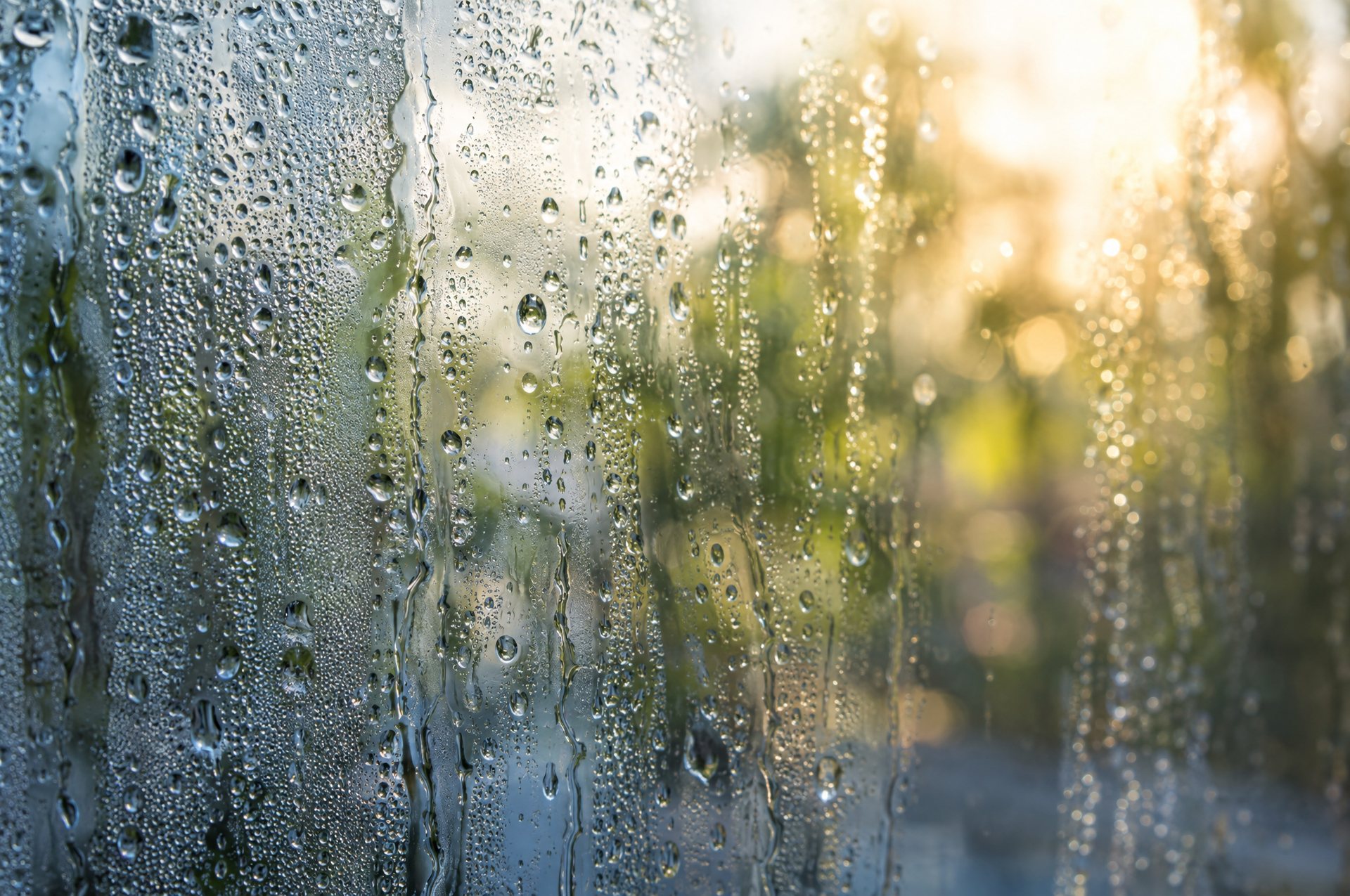
- Condensation on windows
- Tacky or sticky feeling on surfaces
- Visible spotting on leather furniture
Set the Air Conditioning for Humidity
Leaving your AC at 80°F might save a few dollars on electricity, but it may not run enough to pull the moisture out of the air. Ask your AC company about a humidistat or a variable-speed unit, which puts humidity ahead of temperature. On every visit we read the humidity and check the thermostat, so a rising number gets caught early.